Source Outdoor IP65 Moving Head Light for Festivals, Stages, and Events
Compare 30 models of outdoor IP65 moving head light featuring DMX control, adjustable strobe, and various beam angles. Evaluate specifications like 650W power, 20000h lifespan, and IP65 ratings to find the right fixture for your next project.
Key considerations
Products List


Comprehensive Sourcing Guide
Outdoor IP65 Moving Head Light Sourcing Guide
Procuring outdoor-rated moving head lighting requires a rigorous evaluation of environmental sealing, optical performance, and control system integration. These fixtures are engineered for high-intensity illumination in dynamic environments, ranging from large-scale concert stages to permanent architectural installations. The core challenge for buyers lies in balancing the robustness of the IP65 enclosure with the thermal management needs of high-power light sources. Understanding the specific technical parameters and commercial terms associated with these units is essential for ensuring long-term reliability and operational safety in demanding conditions.
This guide provides a structured approach to sourcing these specialized lighting solutions, focusing on verified product attributes and industry-standard verification steps. By examining the observed market data, technical specifications, and compliance requirements, procurement teams can make informed decisions that align with their project’s aesthetic and functional goals. The following sections detail the critical factors that influence product selection, from the choice of light source to the verification of supplier qualifications, ensuring a transparent and evidence-based purchasing process.
Product Scope and Observed Listing Signals
The current market for outdoor IP65 moving head lights presents a diverse range of options, with observed pricing spanning from $1 to $2,786 USD. This wide variance reflects differences in light source technology, power consumption, and build quality. Buyers should note that the minimum order quantity (MOQ) typically ranges from 1 to 19 units, offering flexibility for both small-scale events and larger procurement contracts. The availability of customization options further allows for tailored solutions, though buyers must verify the feasibility and cost implications of such modifications with suppliers before finalizing orders.
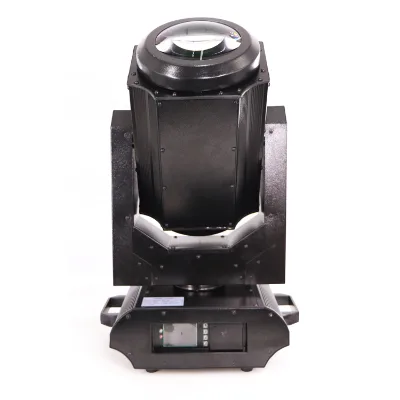
Observed product models in this category include the FB420, GBR-FJ260, FB380, FB550, and FG380, each representing distinct configurations of power and optical output. For instance, the FB420 is associated with a 650W lamp power and a 7800K color temperature, while the GBR-FJ260 features a 260W laser source and a 32-channel control interface. These variations highlight the importance of matching specific technical requirements to the intended application. Buyers must carefully review the product size and weight specifications, such as the 40x30x68cm dimensions for the FB420, to ensure compatibility with existing rigging infrastructure and transportation logistics.
Technical Specifications to Verify
When evaluating moving head lights, the light source and its associated power consumption are primary technical considerations. Products in this category utilize various sources, including 260W lasers and high-wattage lamps ranging from 550W to 800W. The beam angle is a critical optical parameter, with observed values of 1 degree and 2 degrees indicating narrow, focused beams suitable for long-throw applications. Buyers should verify the actual luminous output and efficiency, as higher wattage does not always correlate with superior performance, and thermal management systems must be adequate to handle the heat generated by these powerful sources.
Control and connectivity features are equally important for seamless integration into complex lighting setups. Observed control channels range from 16CH to 32CH, supporting DMX signal control for precise manipulation of movement, color, and effects. Features such as adjustable speed strobes, linear focus adjustment from 0-100%, and static gobo options (e.g., 13 static gobos plus open) enhance creative flexibility. Additionally, the emitting color and color temperature, such as cool white at 7500K or changeable options, must align with the desired visual effect. Buyers should also confirm the lifespan of the light source, which varies significantly from 1,500 hours to 20,000 hours, impacting long-term maintenance costs.
Compliance and Safety Documentation
Certification is a non-negotiable aspect of sourcing outdoor lighting, particularly for international markets. Products in this category are often listed with CE, RoHS, and specific Chinese national standards such as GB7000.1 and GB7000.217. These certifications indicate compliance with electrical safety, electromagnetic compatibility, and environmental restrictions. Buyers must request valid certification documents and verify their authenticity with the issuing bodies, as counterfeit certificates are a known risk in the lighting industry. Ensuring that the product meets the specific regulatory requirements of the destination country is essential to avoid customs delays or legal liabilities.
In addition to product-level certifications, buyers should inquire about the manufacturing standards and quality control processes employed by the supplier. The origin of these products is frequently listed as Guangdong or Guangzhou, China, regions known for their manufacturing capabilities. However, the presence of a manufacturing location does not guarantee consistent quality. Buyers should verify that the supplier adheres to recognized quality management systems and conducts regular testing on their production lines. This due diligence helps mitigate the risk of receiving products that do not meet the specified IP65 rating or other critical performance criteria.
Cost Drivers and Commercial Terms
The cost of outdoor IP65 moving head lights is influenced by several factors, including the light source technology, power consumption, and build materials. Aluminum alloy is a common material for the housing, providing durability and heat dissipation, but the thickness and quality of the alloy can vary. The inclusion of advanced features such as adjustable strobes, multiple color options, and high channel counts also contributes to the final price. Buyers should analyze the total cost of ownership, considering not just the unit price but also the expected lifespan and maintenance requirements of the light source.
Commercial terms such as packaging and shipping logistics play a significant role in the overall procurement cost. Products are typically packed in cartons, wooden cases, or flight cases, with weights ranging from 29kg to 46.3kg for net weight. The choice of packaging affects shipping costs and the protection of the fixtures during transit. Buyers should negotiate clear terms regarding packaging standards and ensure that the supplier provides adequate protection to prevent damage. Additionally, lead times and payment terms should be clearly defined in the contract to avoid disruptions in the supply chain.
Supplier Qualification and Quality Control
Selecting a reliable supplier is crucial for ensuring the quality and consistency of outdoor moving head lights. Buyers should verify the supplier’s business license, manufacturing capabilities, and export experience. A qualified supplier should have a dedicated quality control team and conduct pre-shipment inspections to ensure that each unit meets the specified standards. Buyers may also consider requesting samples or conducting factory audits to assess the supplier’s production processes and quality management systems firsthand.
Quality control measures should include rigorous testing of the IP65 rating, electrical safety, and optical performance. Buyers should verify that the supplier has the necessary equipment and procedures to test these parameters consistently. Additionally, buyers should inquire about the supplier’s warranty policy and after-sales support. A reputable supplier should offer a reasonable warranty period and provide technical support for troubleshooting and maintenance. This level of support is essential for minimizing downtime and ensuring the long-term performance of the lighting installations.
Long-Term Procurement Checks
Long-term procurement success depends on establishing a robust relationship with suppliers and implementing continuous improvement processes. Buyers should regularly review supplier performance metrics, including on-time delivery rates, product quality, and responsiveness to issues. Establishing clear communication channels and regular review meetings can help identify and address potential problems before they escalate. Buyers should also stay informed about industry trends and technological advancements to ensure that their procurement strategies remain competitive and aligned with market developments.
Furthermore, buyers should maintain a comprehensive record of all procurement activities, including contracts, certifications, and inspection reports. This documentation is essential for auditing purposes and for identifying patterns in supplier performance. By maintaining detailed records and conducting regular reviews, buyers can make data-driven decisions that enhance the reliability and efficiency of their lighting procurement processes. This proactive approach helps mitigate risks and ensures that the organization can meet its operational requirements consistently over time.
FAQs
What certifications do these outdoor lights have?
The products hold CE, GB7000.15-GB7000.217, and RoHS certifications. These standards ensure compliance with safety and environmental regulations for international markets.
How is the beam angle adjusted on these units?
The beam angle is fixed at specific degrees like one or two degrees depending on the model. Some units offer linear focus adjustment from zero to one hundred percent for precise control.
Can I customize the packaging for bulk orders?
Yes, customization is available for packaging options including cartons, wooden cases, or flight cases. This flexibility allows you to select the most suitable protection for your specific shipping needs.
What is the typical lifespan of the light source?
Lifespan varies by model, ranging from two thousand hours to twenty thousand hours. The specific duration depends on whether the unit uses a laser source or a xenon bulb.
Which control channels are supported for DMX operation?
The devices support multiple control channels, including sixteen, eighteen, or thirty-two channels. This allows for complex programming and synchronization within professional stage lighting setups.
What is the operating temperature range for these lights?
The working temperature range spans from negative twenty degrees Celsius to forty-five degrees Celsius. This ensures reliable performance in various outdoor environmental conditions.